

Introduction
The cannabis industry is predicated on the promise of consumer safety through rigorous testing protocols. However, a significant gap exists in current regulatory frameworks that may be compromising the health of consumers and the financial integrity of manufacturers. While most legal jurisdictions mandate testing for potency and common contaminants, they often overlook specific, dangerous mycotoxins that persist even after remediation processes. This oversight creates a critical loophole where products deemed compliant by state standards may still contain harmful substances that contribute to severe medical conditions. Understanding these gaps is essential for laboratory operators, regulatory officials, and manufacturers who seek to ensure the long-term viability of the industry.
Critical Testing Gaps
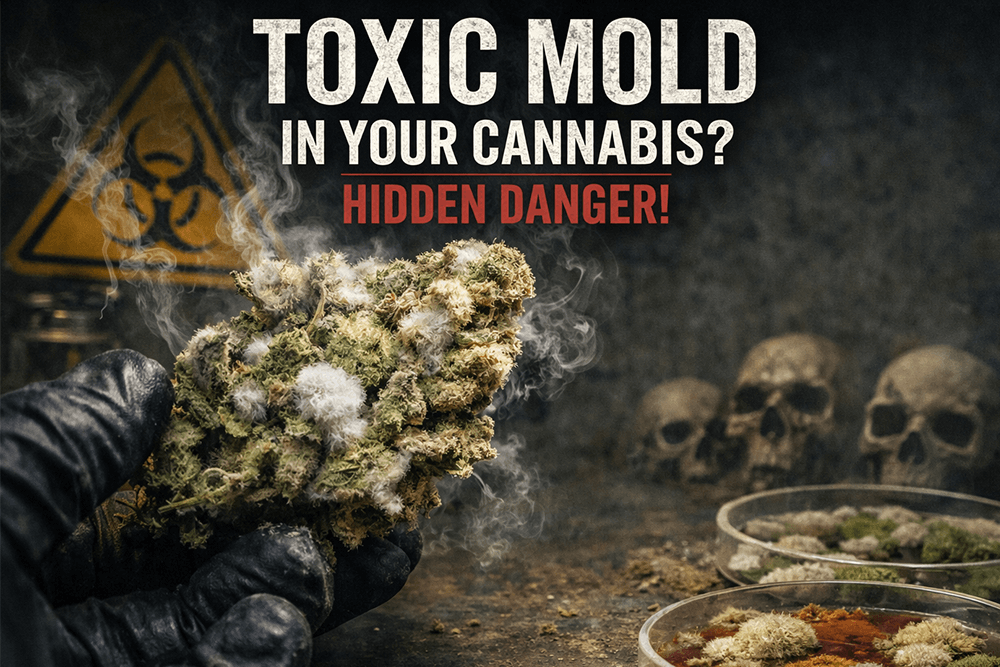
A primary concern for the legal market is the inadequacy of current screening methods for remediated cannabis. Remediation techniques, such as radiation or ozone treatment, are frequently employed to eliminate live mold and bacteria, allowing products that initially failed safety tests to enter the supply chain. However, these processes do not eliminate the heat-stable mycotoxins that the mold has already produced. Research indicates that state-mandated cannabis testing protocols often fail to screen for the toxic byproducts of mold, even when the live organisms are no longer present. This creates a false sense of security for both distributors and consumers, as “clean” results do not account for the chemical toxicity remaining in the plant material.
The “Vomitoxin” Connection
One of the most concerning contaminants currently overlooked by regulators is deoxynivalenol, commonly known as “vomitoxin.” Produced by the Fusarium mold, this mycotoxin is a well-documented hazard in the agricultural industry, particularly in cereal crops. In the context of cannabis, recent analysis has indicated that Fusarium mycotoxins have been detected in Canadian cannabis at levels nearly twice the threshold allowed for human food consumption. Despite its high toxicity and prevalence in mold-prone environments, no U.S. state currently requires testing specifically for Fusarium-produced toxins. The presence of vomitoxin is particularly alarming because it is biologically designed to cause severe gastrointestinal distress, which directly aligns with symptoms reported in legal cannabis markets.
The Misdiagnosis of Cannabis Hyperemesis Syndrome (CHS)
The medical community has seen a rise in cases of Cannabis Hyperemesis Syndrome (CHS), a condition characterized by cyclic vomiting and intense abdominal pain. Traditionally, CHS is attributed to the overstimulation of the endocannabinoid system by high concentrations of THC. However, the symptoms of vomitoxin exposure are remarkably similar to those of CHS, leading to potential misdiagnosis. If a consumer is unknowingly ingesting cannabis contaminated with deoxynivalenol, the resulting acute vomiting might be a reaction to the toxin rather than the cannabinoids themselves. This correlation suggests that what is currently identified as an adverse reaction to high-potency THC may, in many instances, be a response to undetected fungal toxins that have bypassed standard regulatory screens.
Conclusion
The future of cannabis regulation must address these “hidden” contaminants to ensure long-term consumer protection and industry stability. As the market matures, the reliance on remediation without comprehensive toxin screening becomes a significant liability for manufacturers and distributors. Regulatory bodies will likely face increasing pressure to expand testing mandates to include Fusarium-produced mycotoxins like deoxynivalenol. For lab operators and industry professionals, staying ahead of these scientific insights is crucial. Addressing the mold loophole is not just a matter of regulatory compliance but a fundamental requirement for the safe and credible evolution of the global cannabis industry.
